What to Look For in a Running Pram
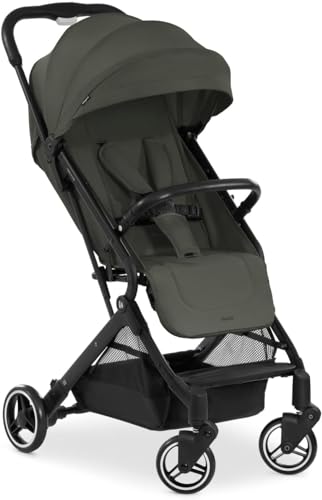
A running pram is a stroller that is designed to handle higher speeds and can offer suspension on the wheels for an easier ride for babies. They usually feature a swivel wheel on the front that locks into the position for Running Pram extra safety and a hand-operated brake for greater control.
Most pelvic floor physical therapy recommend waiting until babies are nine-months-old before they start buggy running. Each child is unique.
Safety first
Involving your child in your exercise habits can be a rewarding experience but it’s crucial to put safety first. Choose quiet, safe roads and wide paved paths. Stick to the daytime hours when your baby is the most satisfied. It’s best to plan your run around feeding time. Babies can be fussy when they’re full, so you want to ensure that everything goes smoothly. A 5-point harness can keep your child safe while you run and a handbrake will assist you in keeping control. This is crucial when you’re moving quickly and need to brake quickly.
Parents who love their cardio workout that makes them feel good, a running pram is an excellent option. Double the calorie-burning outdoors exercise and the precious bonding time and you’ll be inspired to keep going even as your child gets bigger. It can be tempting to compare your solo running speed with your running speed, but remember that the demands on your legs are more demanding when you’re pushing a child and their equipment. If you want to push yourself, invest in a jogging stroller with air-filled tires that absorb shocks and smooth out bumps.
Stability
If you’re running with a baby in a pram, stability is essential for both your enjoyment and the safety of your little passenger. Select a sturdy and dependable pram uk with wheels that can roll across all surfaces and absorbing the force of bumps, and a locking front wheel to increase maneuverability at higher speeds. Make sure you choose a model with air-filled tyres to keep the pressure up and decrease the chance of punctures.
The ideal pram will allow you to maintain your natural running posture without stooping or leaning too far back. This can cause aches. It’s also essential to find the right balance between pushing hard and slowing down to make sure you don’t put too much strain on your knees, hips or back.
You can also increase your comfort and stability by selecting a model that has adjustable handlebars that can be adjusted to your height. This will eliminate the need to stoop over while running and ensure your wrists aren’t too stressed, especially if you’re doing lots of sprint training!
It’s impossible to predict the moment when your baby is ready to “graduate” from the pram. However, involving them in exercise as early as you can give them an independence and help them build the foundations of an active life. It’s also a great opportunity to spend quality time with them and Running Pram also help them become comfortable with the outdoors.
Speed
The most reliable running prams offer an easy and stable ride at a fast speed. The front wheel will usually pivotable, which permits ease of movement around town or when you use the pram all day. It is also locked in a fixed position for safety when travelling at the speed of. The back wheels are usually large and have suspension to smooth bumps and lessen the impact your baby experiences. They should be made of a durable and puncture-resistant material.
Making your child love to exercise with you can be an amazing feeling for parents and starting them off at an early age with a running pram can encourage an active lifestyle throughout their lives. However, it’s important to remember that running with a pram is very different than solo running and, while you might be able to run long runs at the same speed, your endurance will likely suffer and your little athlete could become over-stimulated.
We suggest limiting your jogging until your child feels comfortable in the stroller jogging. Some babies may be able to handle longer distances prior to this, but we’d suggest seeking the advice of your family doctor or paediatrician to ensure that your child is able to handle such a strenuous workout. If you’re planning on pushing your child uphill, it’s best to start this once you have an adequate amount of experience on flat surfaces at a brisk speed. It is also possible to think about an all-terrain stroller with large, high-traction tyres that allow you to deal with gravel, roots and other natural obstacles.
Comfort
It is also important to ensure that your child is as comfortable as possible. This could be suspension systems to absorb impact and reduce bumpiness or air-filled rubber tyres which give the same feel as bike tyres but without the risk of punctures.
Choosing the right time to go for your runs will also pay off, with babies generally most content after feeding or nap. It’s important to consider the type of surface that you will be using. The footpaths that are damaged are an issue for pram runners who are just beginning their journey and smooth surfaces allow them to run faster.
Running prams are a great way to stay fit and bring your baby along on your favorite adventures. A lot of these prams can be modified, allowing you to take your child along with you on family outings even as they develop. Be aware that bringing your child into physical activity isn’t just about improving their health and wellbeing it’s also about establishing their independence and giving them the confidence to explore the outdoors on their own.