
Introduction
Decks are a wonderful addition to any home, offering a comfortable outdoor space for relaxation, entertainment, and family gatherings. However, over time, exposure to the elements can wear down your deck, leaving it looking tired, faded, or even unsafe. Rather than tearing it down and starting from scratch, deck resurfacing offers a cost-effective and efficient way to breathe new life into your existing structure.
What is Deck Resurfacing?
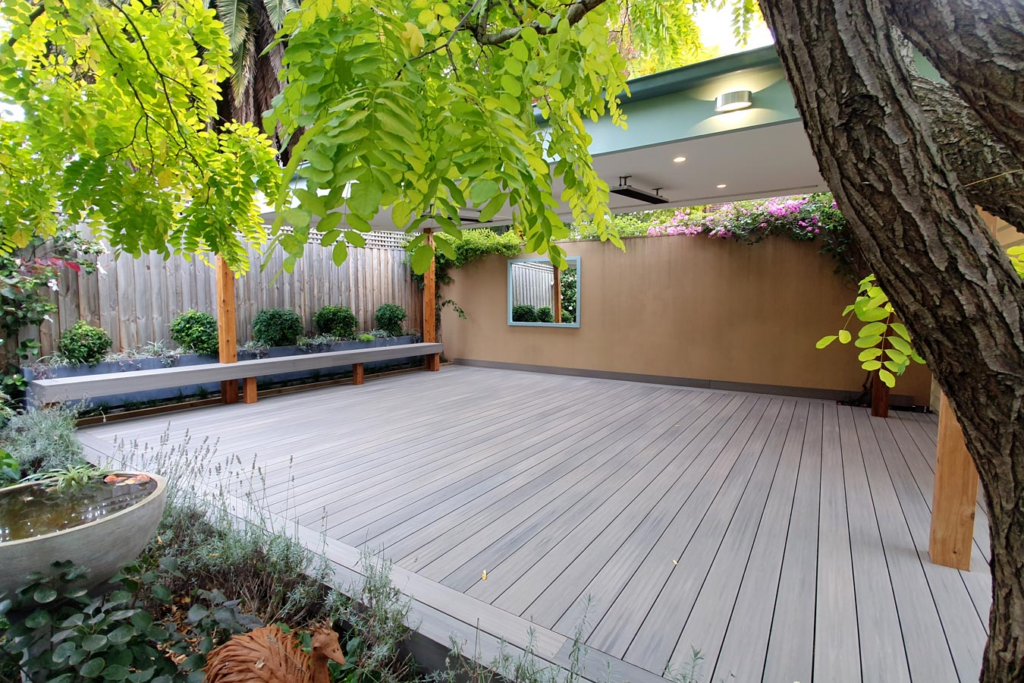
Deck resurfacing is the process of restoring the top surface of a deck by replacing worn-out decking boards, applying protective finishes, or even covering it with a composite overlay. This method is particularly suitable for decks that still have a solid frame and foundation but have surface-level damage such as splintering, discoloration, or minor rot.
Benefits of Deck Resurfacing
1. Cost-Effective Alternative to Replacement
Tearing out and rebuilding a deck from scratch can be expensive and time-consuming. Resurfacing allows you to improve the look and feel of your deck without the high costs associated with a full replacement.
2. Extends Deck Life
Resurfacing reinforces the existing structure and protects it from future wear, effectively extending the life of your deck by several years.
3. Modern Look and Feel
With resurfacing, you can upgrade your deck with modern materials such as composite decking, which offers a sleek look, low maintenance, and superior durability compared to traditional wood.
4. Environmental Benefits
By reusing the existing framework and only replacing the surface boards, you reduce the amount of waste sent to landfills and minimize the demand for new lumber.
When Should You Consider Deck Resurfacing?
Not every deck is a candidate for resurfacing. Here are some signs that indicate resurfacing might be the right option:
- Surface damage such as splintering, warping, or peeling finish
- Faded color or weathered appearance
- Sturdy framing with no major signs of rot or pest damage
- Loose or corroded fasteners that can be replaced
If the underlying structure shows signs of significant decay or instability, a complete rebuild may be necessary.
How to Resurface a Deck
Step 1: Inspect the Structure
Begin by thoroughly inspecting the entire deck. Check for rot, mildew, termite damage, and any weak spots in the frame or joists. Make sure the foundation is stable and compliant with local building codes.
Step 2: Remove Old Deck Boards
Carefully remove the damaged or outdated deck boards. Take this opportunity to remove nails, screws, and other fasteners that may have rusted or come loose over time.
Step 3: Replace or Repair Framing
Make any necessary repairs to the deck’s framing. Reinforce any weak areas and replace rotted or damaged joists.
Step 4: Install New Decking
Choose your new decking material—pressure-treated wood, cedar, or composite are common options. Install the new boards using high-quality fasteners, ensuring proper spacing and alignment.
Step 5: Apply Finish or Sealant
If you’re using wood, apply a water-resistant stain or sealant to protect the surface from moisture and UV damage. Composite decks generally don’t require staining but may benefit from a specialized cleaner.
Step 6: Add the Final Touches
Finish the project by replacing railings, adding new stairs if needed, or installing lighting for a polished, upgraded look.
Maintenance Tips After Resurfacing
To keep your resurfaced deck looking its best:
- Sweep regularly to remove debris
- Clean with a mild deck cleaner at least twice a year
- Reseal wooden decks every 1–2 years
- Inspect for loose boards or fasteners periodically
Conclusion
Deck resurfacing is a smart, sustainable way to restore your outdoor living space without breaking the bank. By assessing the condition of your deck and choosing the right materials and methods, you can enjoy a beautiful, safe, and functional deck for many years to come. Whether you want to improve your home’s value or simply enhance your outdoor enjoyment, resurfacing could be the perfect solution.